
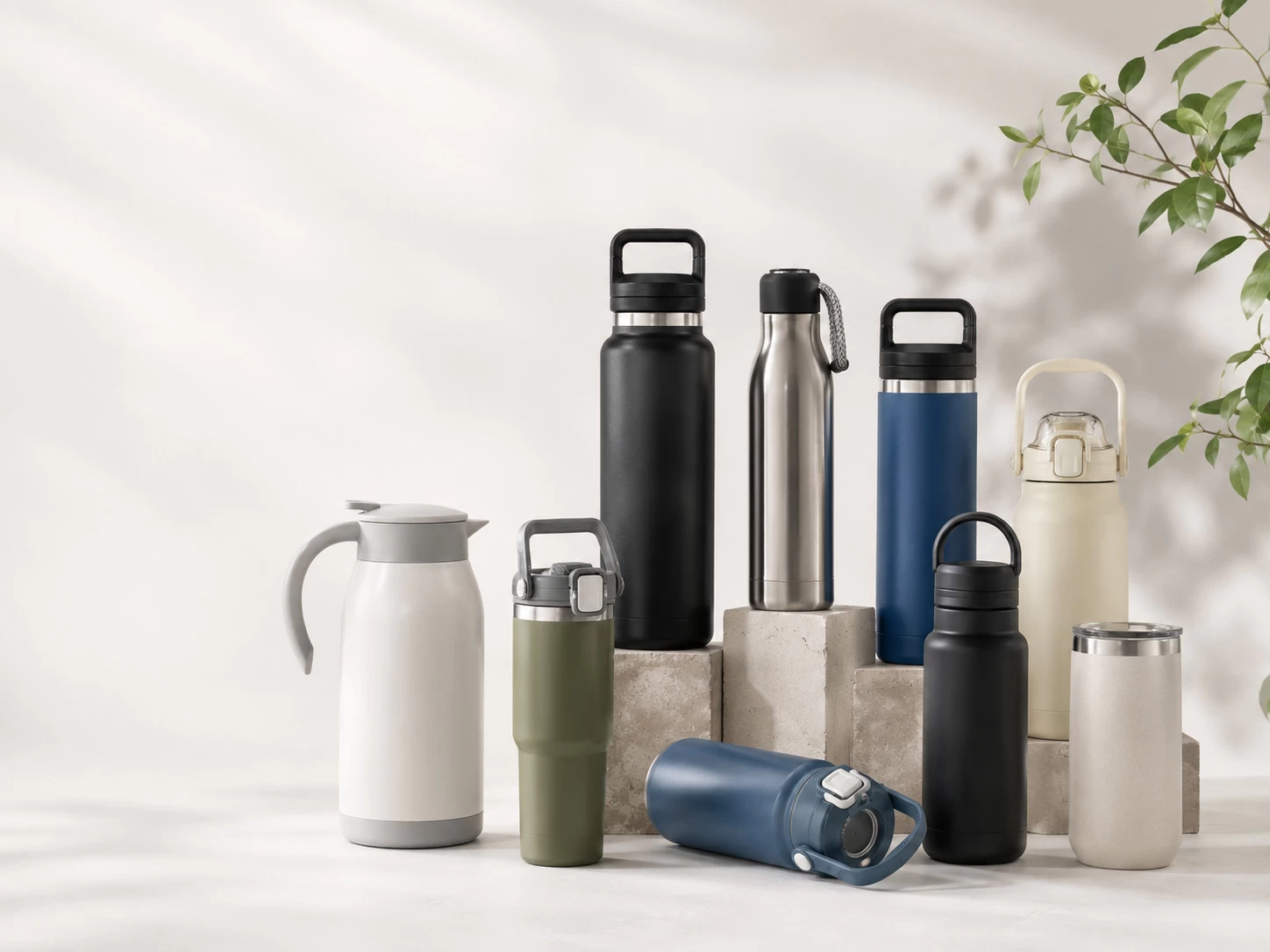
Material choice and sealing performance are the two subjects that decide whether a drinkware component works in the market it was designed for, and compliance documentation is what allows it to cross a border. This article answers the questions buyers ask most often about food-grade materials, leak resistance and the paperwork that accompanies an export order, based on how these decisions are handled at Wuyi Haojin.
Which food-grade materials can drinkware components be made from?
We support food-grade material requirements and work with Tritan, PPSU and other safe material solutions for drinkware components. Raw materials are traceable, so the resin that goes into an order can be followed through production rather than assumed from a purchase record. The material list is not a menu to pick from by preference: the right choice follows from the temperature range the product will see, the clarity you want, how the end user will clean it and the cost the product can carry.
How do Tritan and PPSU differ in use?
Both are food-contact engineering materials, and the difference is mostly about temperature, appearance and cost. Tritan is a copolyester that offers glass-like clarity, good toughness and resistance to dishwasher conditions, which makes it a common choice for clear, premium-looking drinkware. PPSU is a high-temperature polymer with excellent heat resistance and impact strength, widely used where the product has to tolerate hot filling, hot cleaning or repeated sterilization, and it is naturally amber rather than clear. Because the trade-off runs in both directions, the recommendation is made per project after confirming how the product will actually be used rather than defaulting to one material.
How is leak resistance designed and tested?
Leak resistance is designed into the sealing structure and then verified as a function. The sealing surfaces are controlled to 0.05 mm tolerance so the parts close with the right interference, and sealing structures are tested to improve leakage resistance and long-term reliability. Testing runs at the extremes rather than only at room temperature, because the most common field failure is not a lid that leaks on the bench but a lid that leaks after the contents have heated and cooled and the parts have moved.
What does airtight testing actually check?
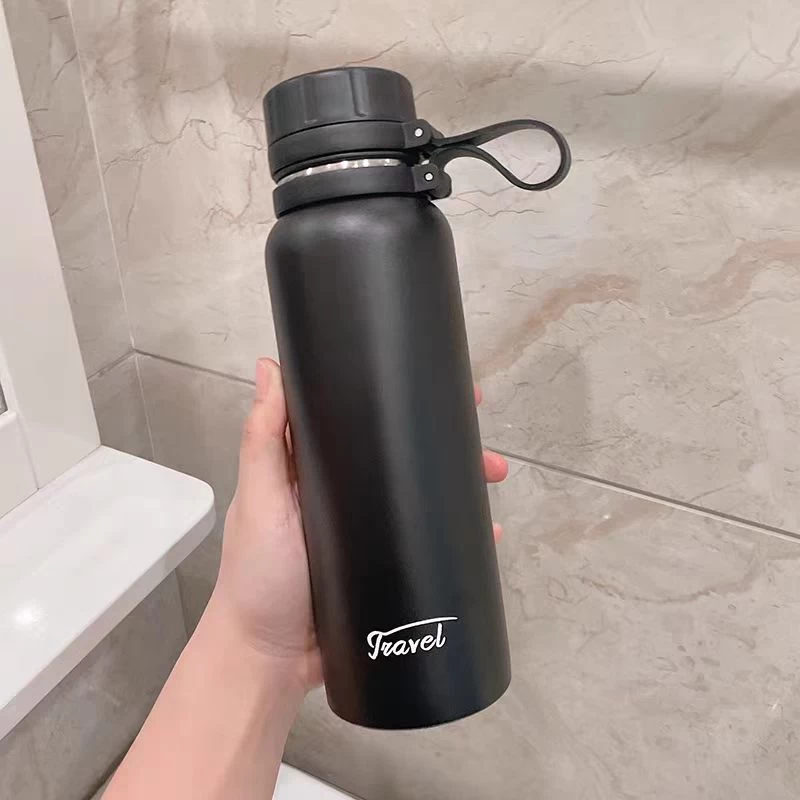
Airtight testing confirms that the assembled product holds pressure or vacuum without leakage, which makes it a direct test of the complete sealing system rather than of any single part. It appears twice in our process: as a functional check when samples are produced, and again at final inspection before packing and shipment. Testing the assembly rather than the individual components matters because a gasket, a thread and a seating surface can each pass inspection on their own while still leaking in combination.
What compliance documents can accompany an order?
We can support FDA, LFGB, ROHS and REACH related requirements and provide compliance documentation where the destination market needs it. In practice the document set depends on the market: LFGB support relates to European food-grade requirements for selected materials, ROHS documents cover material compliance for export customers, and REACH documentation addresses chemical safety requirements for international markets. Because the applicable requirement varies by material and by where you are selling, the document package should be confirmed at quotation stage rather than requested after the parts are made.
How do we know the material is what was specified?
Through material traceability. Raw materials are traceable into the production record and compliance support is available to accompany the order, which allows a customer to answer a question from their own importer or authority without going back to the factory for evidence. Material verification also forms part of the sample trial, so the resin is confirmed at the point where a change is still inexpensive.
Does a surface finish affect food safety?
It can, and the two surfaces should be specified separately. The powder coating finish we offer is a durable, scratch-resistant exterior finish available in a range of modern colors and textures, and it is specified for appearance and wear rather than for the surface the drink will touch. The food-contact surfaces are a separate decision covering the resin, the interior polish and the cleaning regime the product will see. Treating finish and food contact as one specification is the most common way a drinkware project ends up with an interior that cannot be cleaned as intended.
How does temperature affect sealing performance?
Temperature changes the dimensions of every part in the assembly, and it changes the stiffness of the sealing material. Parts that seal correctly at room temperature can leak after a hot fill or after cold storage, because the interference at the sealing surface is no longer what it was designed to be. That is why extreme temperature testing is part of our sealing work, and why the material and the sealing design have to be chosen together: a high-temperature material such as PPSU changes the calculation compared with a copolyester.
What should I send to get a material recommendation?
Six inputs. Tell us what the product will hold and at what temperature, whether it will be hot filled or sterilized, how the end user is expected to clean it, whether clarity matters to the design, which market you are selling into and therefore which compliance requirement applies, and what your cost target is. With those, the material and the sealing design can be proposed together along with the document package you will need. Our about page sets out the quality and materials approach behind that recommendation, and the drinkware ranges we mold are listed under all products.
Working With Haojin
Wuyi Haojin Industry and Trade Co., Ltd. specializes in precision injection molding and mold development for drinkware components, with 25 years of industry experience, a 3,500 square meter production base and an annual capacity above 16 million units. We support food-grade materials, traceable raw material sourcing and international compliance documents, and we handle projects from a single component through to complete drinkware products. If your question is not covered here, the project process is explained in our Customization & OEM/ODM collection and we are happy to answer specific questions through contact.