Most buyers who approach us with a drinkware component project arrive with roughly the same set of questions. They have a bottle, a cup lid or a complete drinkware product in mind, they know it has to be food safe, and they want to understand what can be customized, what it will cost and how long it will take. This article collects the questions we are asked most often and answers them in the order they usually come up.
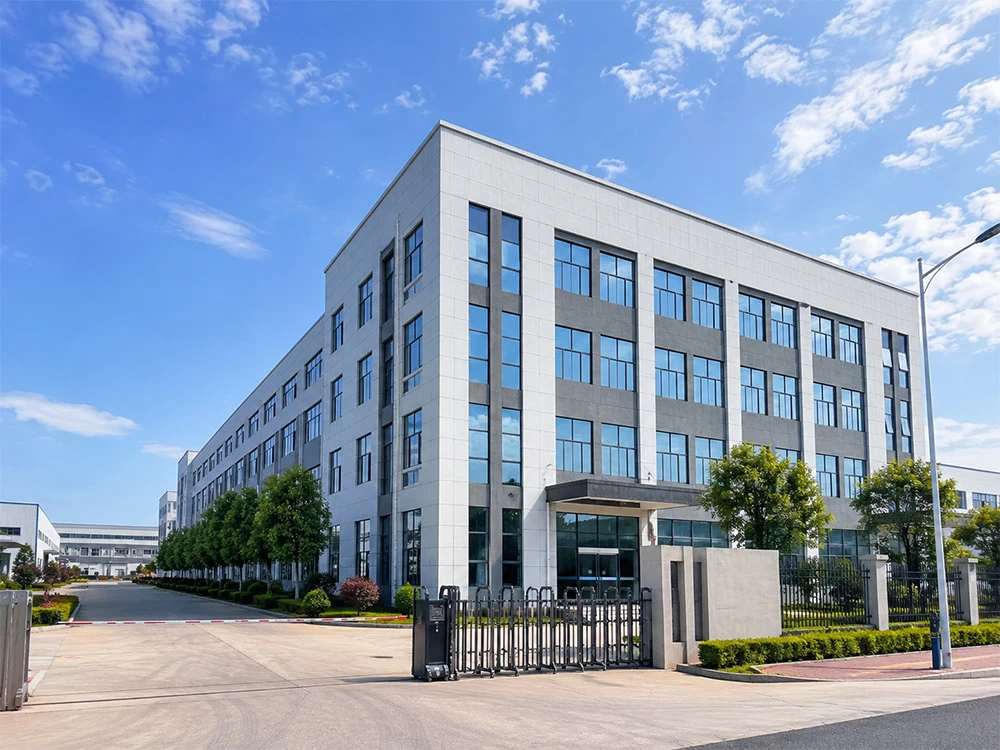
Wuyi Haojin Industry and Trade Co., Ltd. specializes in precision injection molding and mold development for drinkware components, working with insulated bottle brands, cup lid projects and customized drinkware accessory programs. The answers below describe how a project runs from the first brief to the shipped carton.
What can be customized on a drinkware component?
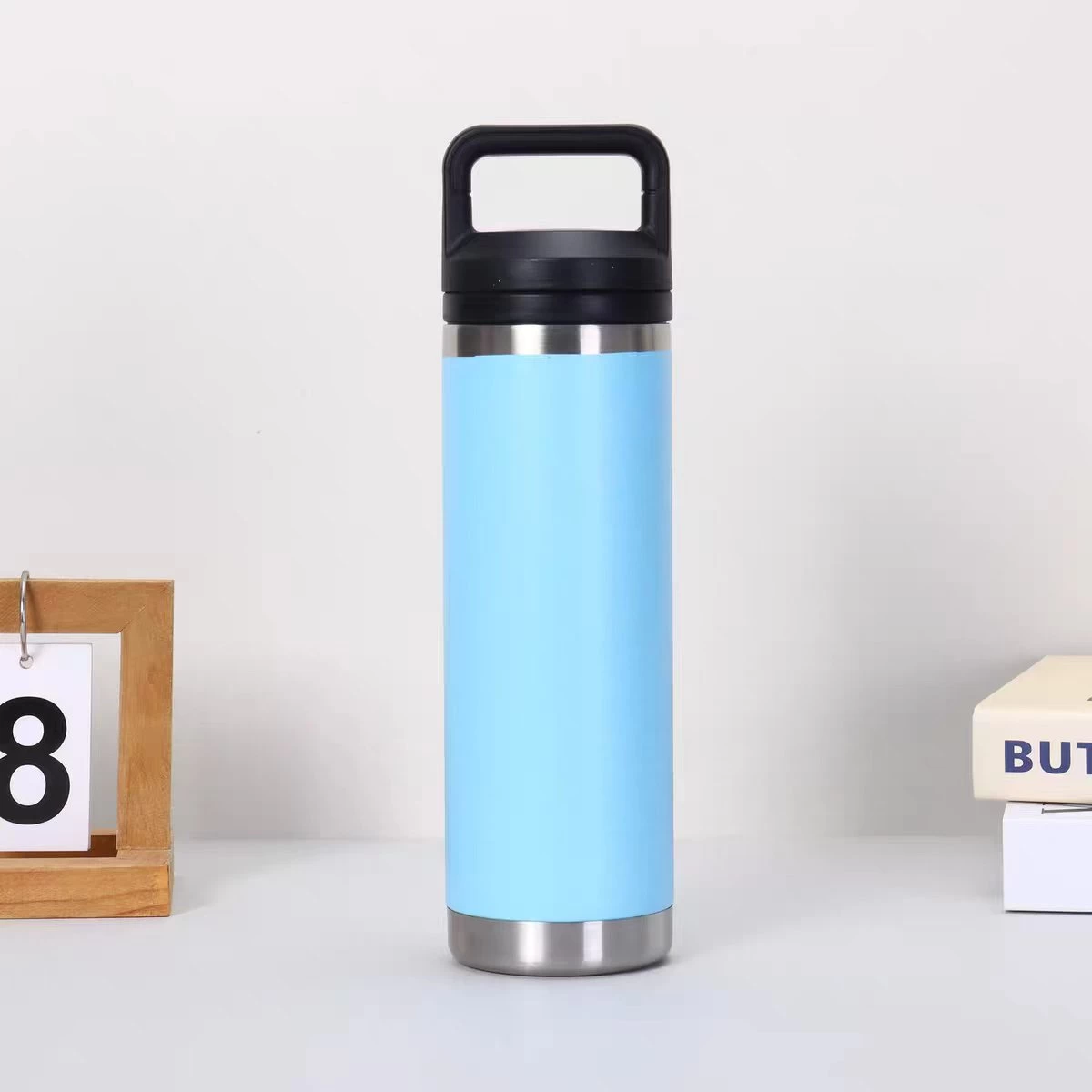
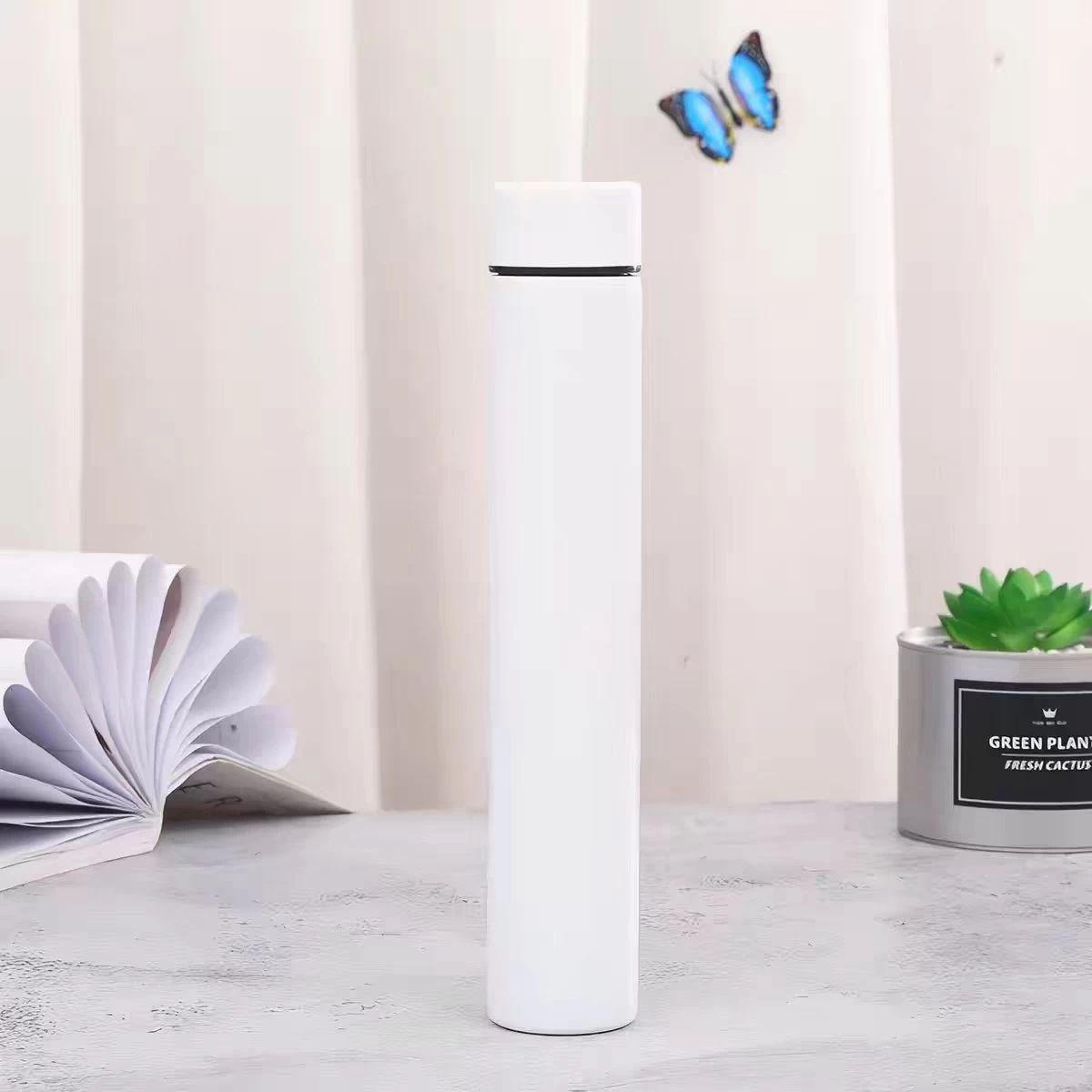
Four things, and they can be combined. Structure customization covers the internal and external geometry of the part, including the number of compartments, wall thickness, thread form and how the lid seats. Color customization covers both the molded part and the finish. Logo customization covers how your brand appears on the product, whether that is molded into the component, applied on the surface or carried on the packaging. Packaging customization covers the retail presentation your market needs. Supporting all four is the lid system itself, and the lid is usually where a drinkware project succeeds or fails.
What should I send before requesting a quotation?
The single most useful input is a clear statement of the product requirement: structure, material, size, sealing requirement, color and packaging direction. If you already have a drawing or a physical sample, send it, because a sample lets us measure the thread, the seating surfaces and the wall thickness directly instead of interpreting a dimension table. Alongside the technical brief, include your expected order quantity, your target market and the compliance documents your customer requires, since those three inputs determine which material route and which document package apply.
Do you work from a drawing, a sample, or only a concept?
All three. A drawing or a sample is the shortest route, because the geometry is already defined and mold design work can start immediately. A concept is entirely workable too, but it begins with a different conversation: we confirm the structure, material, size and sealing requirement with you first, then develop the mold design from that agreed baseline. What matters is that the requirements are settled before the mold is cut, because changes after that point are considerably more expensive than changes before it.
How does a project run from start to shipment?
Five stages. It begins with the product requirement, where structure, material, size, sealing requirement, color and packaging direction are confirmed. The second stage is mold design, where the precision mold is developed and the structure optimized for mass production stability. The third is the sample trial, where samples are produced for appearance, sealing, function and material verification. The fourth is mass production, carried out as stable injection molding and assembly under production standards. The fifth is final inspection, which covers airtight testing, dimensional checks, packing inspection and shipment.
What is verified during the sample trial?
Four things, and all four should be signed off before mass production begins. Appearance is checked against the agreed finish and color. Sealing is checked as a function rather than as a visual feature, because a lid that looks correct can still leak under temperature change or after repeated opening. Function covers how the part behaves in use, including how the lid opens, closes and seats. Material verification confirms that the resin used matches the specification, which matters most when the component has to satisfy a food-contact requirement in your market.
What happens at final inspection?
Final inspection is the last gate before the carton closes, and it covers airtight testing, dimensional checks and packing inspection. Inspection is not limited to this stage: it runs from raw materials through injection and assembly to packing, which is what makes a shipment predictable. For a project where sealing performance is the reason the customer is buying, the airtight test at this stage is the most important single check in the whole process.
Which materials can you work in?
We support food-grade material requirements and work with materials including Tritan, PPSU and other safe material solutions for drinkware components. Raw materials are traceable, and we can support FDA, LFGB, ROHS and REACH related requirements for export customers, with compliance documentation provided where the destination market requires it. Which material is right for your product depends on the temperature range, the clarity you want, the cleaning method the end user will use and your cost target, so the recommendation is made per project rather than issued from a default list.
How long does a project take?
Timing depends on four variables: whether the mold is new or existing, how many separate components are involved, whether the material is held in stock, and how much surface finishing the part requires. Rather than quote a single figure that will not survive contact with your brief, we confirm a schedule against your specification. Two capabilities shorten projects where speed matters: rapid mold output supports faster product launches, and small-batch trial production allows an urgent project to move before a full production run is committed.
What is the minimum order quantity?
Minimum order quantity depends mainly on whether an existing mold can be used and on how many parts, colors and variants your order contains. A single-component requirement using an established mold is a very different proposition from a multi-part lid assembly in four colors. We support small-batch trial production, so a first order can be sized to test a market rather than to fill a container. Send the brief and we will confirm the figure that applies to your project.
How do I get a quotation?
Send your structure, material, size, sealing requirement, color and packaging direction, together with your expected quantity and destination market. If you have a drawing or a sample, include it. You can request a free quotation through the contact form on the site or by email, and if you are still choosing between materials or lid systems, that is a useful conversation to have before the quotation rather than after it. Our about page describes the manufacturing base and capability behind the quote, and the product families we mold are listed under all products.
Working With Haojin
Wuyi Haojin Industry and Trade Co., Ltd. has 25 years of industry experience in precision injection molding and mold development, with a 3,500 square meter production base, an annual production capacity above 16 million units and 0.05 mm tolerance control. We provide one-stop OEM/ODM support from design to finished drinkware components. If your question is not answered here, our FAQ page and the guides in our Customization & OEM/ODM collection cover the project process in more detail, and you are welcome to contact us with your requirement.