# Exploring the Intersection of Lanyard Cups and CSS Design: A Creative Approach to Branding and User Experience
In today’s highly competitive market, branding and user experience (UX) are crucial elements that can make or break a product’s success. Whether you’re designing a physical product like a lanyard cup or creating a digital interface, attention to detail in design plays a pivotal role. This article explores the intriguing intersection between **lanyard cups**—a practical, customizable promotional item—and **CSS design principles**, especially focusing on how CSS variables and properties can inspire and enhance branding strategies for products like lanyard cups.
We will delve into how understanding CSS variables such as `:root`, color schemes, fonts, and layout properties can inform and improve the aesthetic appeal and functionality of lanyard cups. Additionally, we’ll discuss how these concepts can translate from screen to physical products to create cohesive branding experiences.
---
## What is a Lanyard Cup?
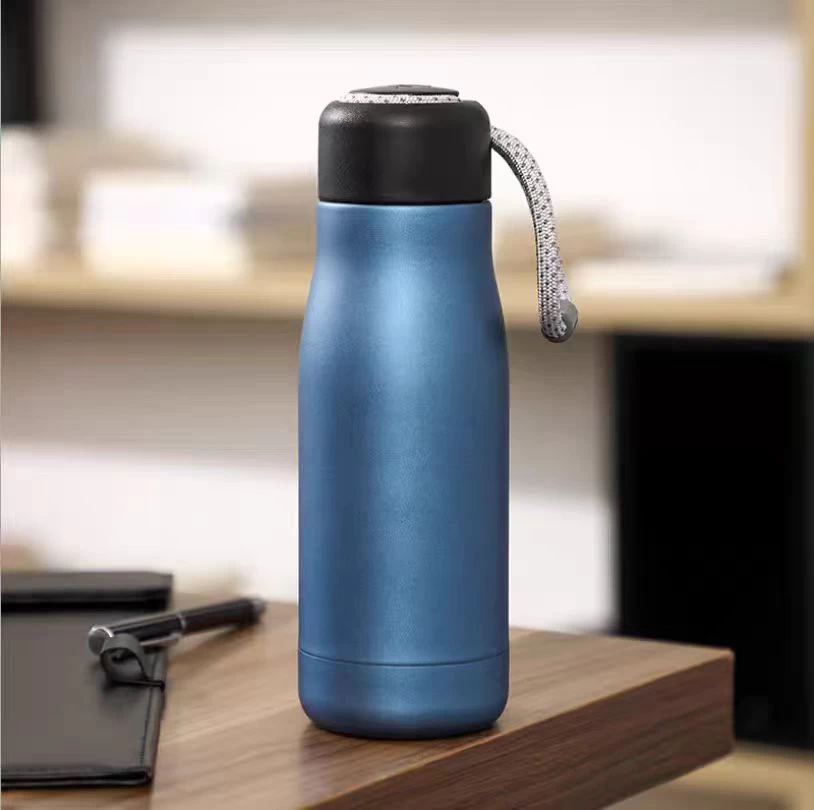
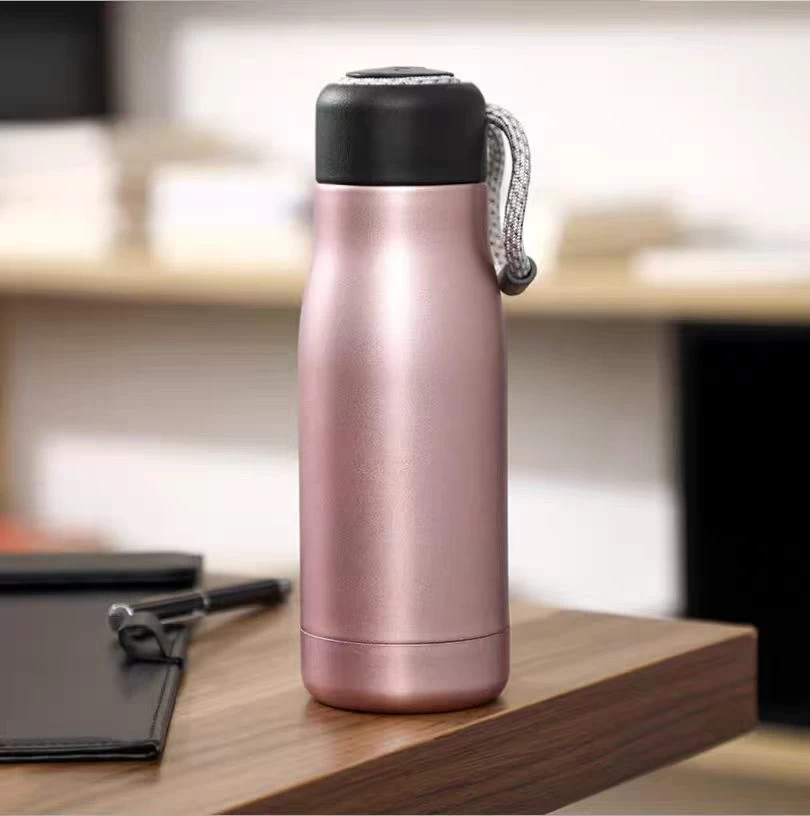
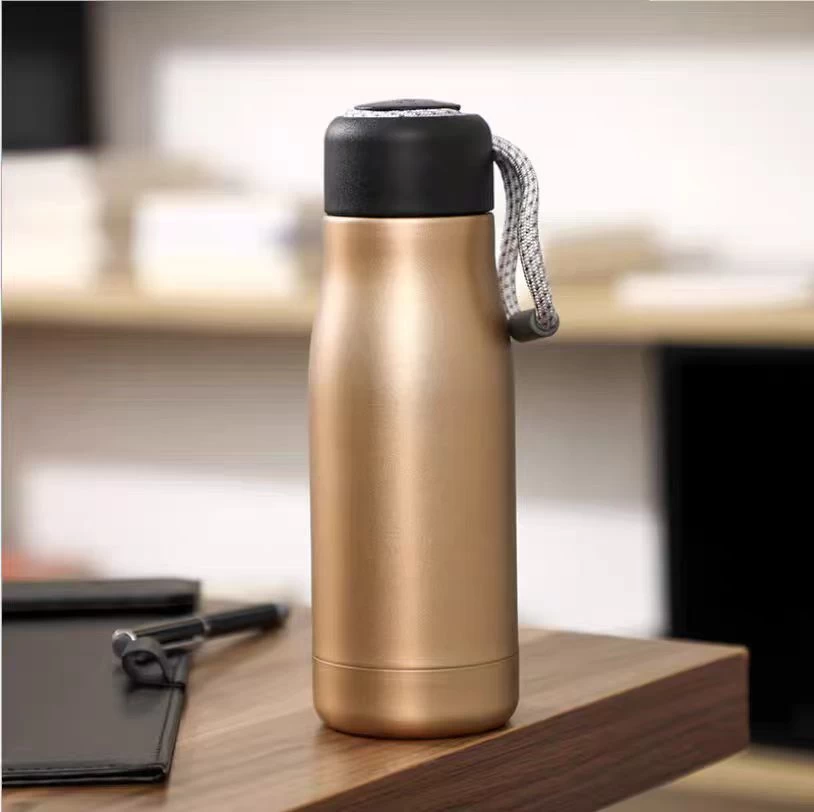
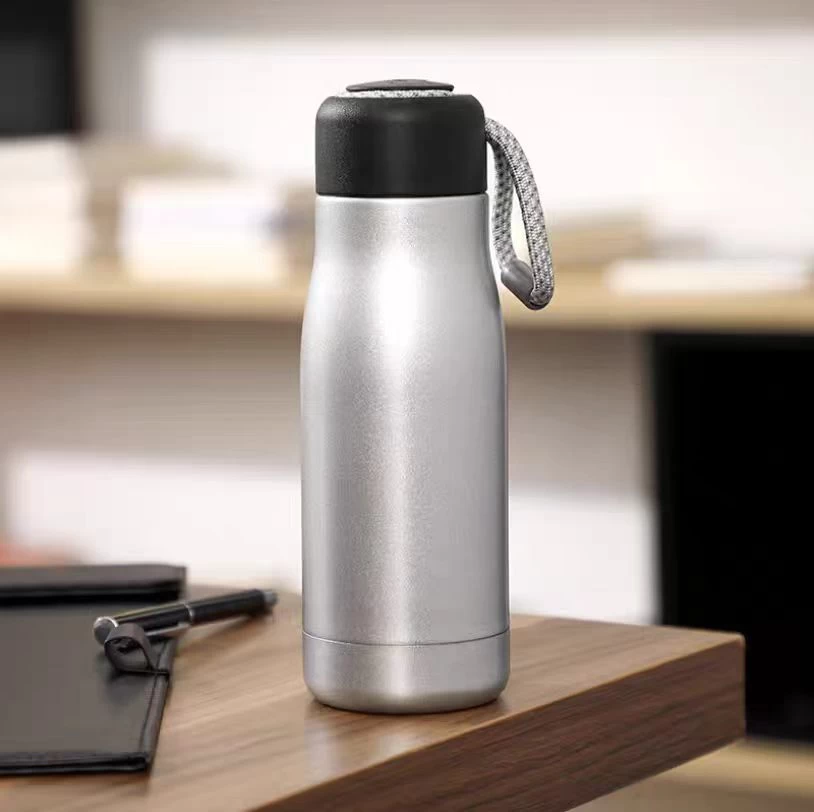
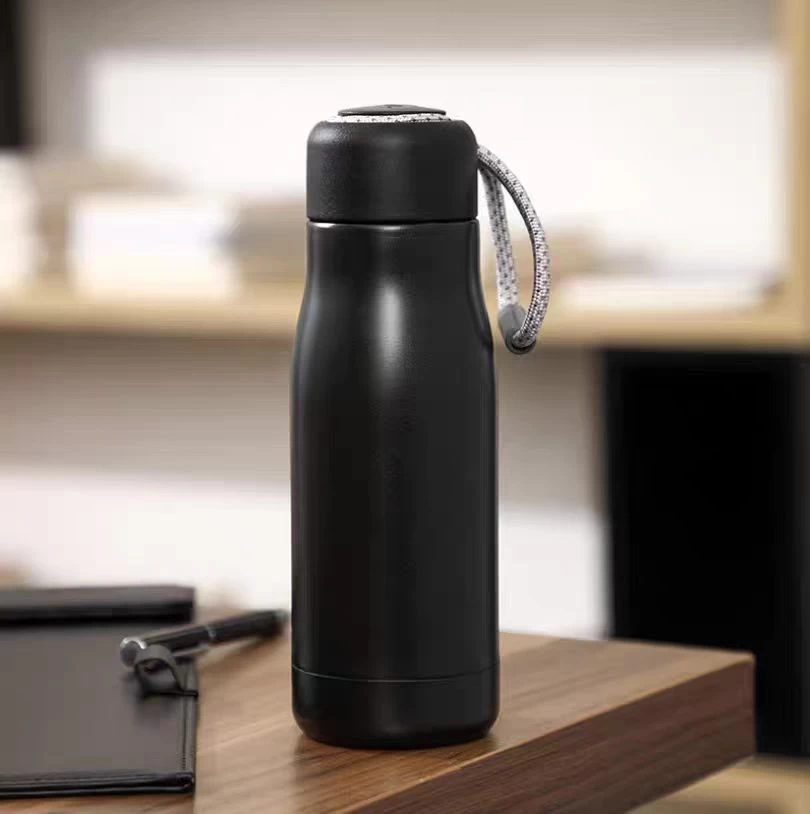
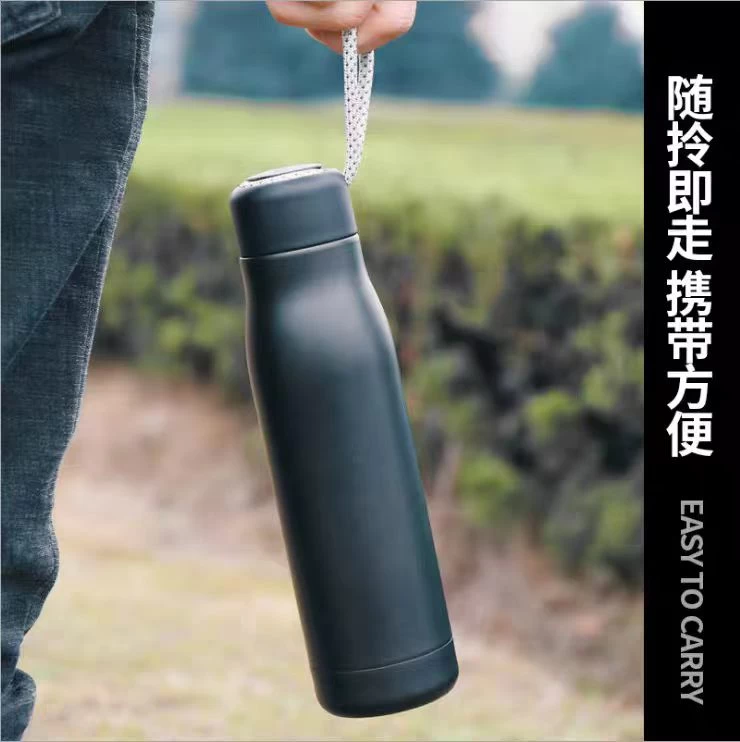
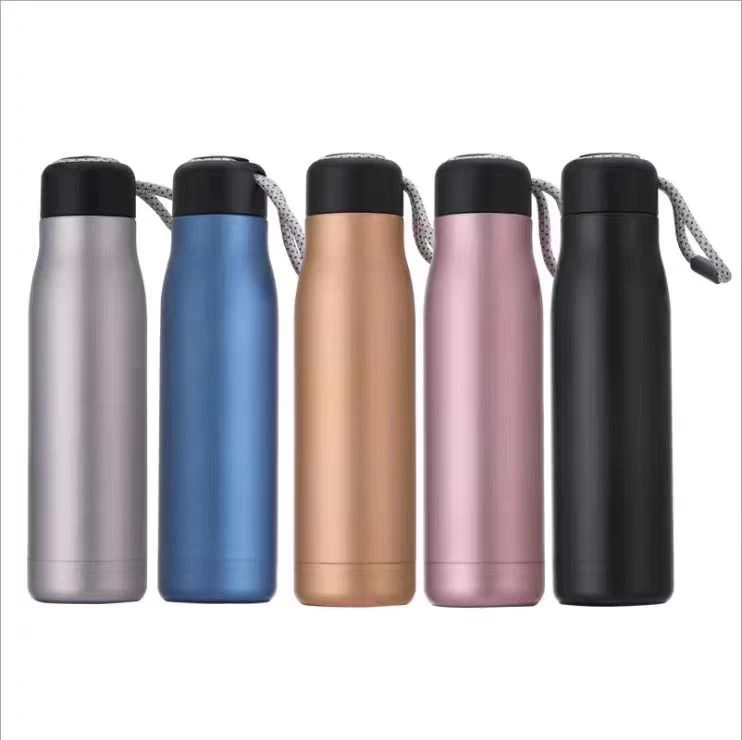
Before diving into the CSS parallels, it’s essential to understand what a lanyard cup is and why it matters. A **lanyard cup** typically refers to a cup or tumbler attached to a lanyard, allowing easy portability at events, conferences, festivals, or workplaces. These cups are often customizable with logos, colors, and taglines, making them excellent promotional items.
They combine utility and branding, providing users with a hands-free way to carry drinks while ensuring brand visibility. The design of the lanyard, the cup, and any associated tags or labels needs to be visually appealing and consistent with the brand’s identity.
---
## Translating CSS Design Principles to Lanyard Cup Branding
CSS (Cascading Style Sheets) is a cornerstone technology in web design, enabling developers to control the appearance of websites efficiently. Modern CSS techniques use variables, layout controls, and color management to create consistent and responsive designs.
Interestingly, many of these principles can inform physical product design, including lanyard cups. Let’s explore some key CSS concepts and how they relate to product branding:
### 1. The Power of `:root` and CSS Variables
In CSS, the `:root` pseudo-class corresponds to the highest-level parent in the document tree and is commonly used to define **CSS variables**—custom properties that store values like colors, font sizes, and spacing units.
Example:
```css
:root {
--c2: #3498db;
--bg: #ffffff;
--gray: #7f8c8d;
--font-size: 16px;
--font-weight-bold: 700;
}
```
**Why is this relevant to lanyard cups?**
- **Consistency:** Just like CSS variables ensure consistent use of colors and fonts across a website, establishing a set of brand colors and font weights ensures that your lanyard cup’s design maintains a consistent look and feel.
- **Scalability:** If you decide to tweak your brand colors or typography, CSS variables allow easy updates. Similarly, defining your color palette and design specifications upfront makes it easier to scale your lanyard cup designs across different products or marketing materials.
- **Customization:** CSS variables enable quick customization for different themes (e.g., light vs dark mode). For lanyard cups, this might translate into offering different color options or limited editions while maintaining brand coherence.
### 2. Colors: Using `var()` for Brand Identity
Colors communicate emotion and reinforce brand identity. In CSS, using `color: var(--c2);` applies the color stored in the `--c2` variable, making the code readable and maintainable.
For lanyard cups, selecting a **primary brand color** (akin to `--c2`), background colors (`--bg`), and complementary shades (`--gray`) is essential.
- **Primary color:** Usually the most vibrant or recognizable shade representing your brand.
- **Background color:** Neutral or contrasting colors to ensure text or logos stand out.
- **Accent colors:** Used sparingly for details like border lines or tags.
By defining these colors carefully, you ensure that the lanyard cup stands out without overwhelming the user.
### 3. Layout: Aligning Elements with Flexbox Concepts
CSS uses properties like `align-items` and `justify-content` in Flexbox layouts to align and distribute space among items in a container.
- `align-items`: Controls vertical alignment.
- `justify-content`: Controls horizontal distribution.
- `gap`: Defines the space between elements.
When designing the layout of a lanyard cup's printed graphics or the arrangement of additional tags or badges, consider these principles:
- **Visual balance:** Align logos, text, and icons symmetrically or asymmetrically but purposefully.
- **Spacing:** Use consistent gaps between elements to avoid clutter and improve readability.
- **Hierarchy:** Larger, bolder fonts or images draw attention first, guiding user focus.
Applying these concepts helps create a clean, professional print on the cup or lanyard strap.
### 4. Typography: Font Size and Weight
Typography plays a significant role in branding. CSS properties like `font-size` and `font-weight` define how text appears on screen.
- **Font size:** Determines readability from different distances.
- **Font weight:** Differentiates headings and body text, adding emphasis.
On a lanyard cup, where space is limited, choosing clear, legible fonts at appropriate sizes is crucial. For example, a bold logo at 16pt font size may be the primary visual, while smaller text like taglines should remain legible but unobtrusive.
---
## Practical Steps to Apply CSS-Inspired Design to Lanyard Cups
Now that we’ve established the theoretical connections, let’s look at how to practically apply these ideas when designing or customizing lanyard cups:
### Step 1: Define Your Brand Color Palette as CSS Variables
Begin by selecting your brand’s colors and defining them as if you were writing CSS variables:
```css
:root {
--primary-color: #1abc9c;
--background-color: #ecf0f1;
--secondary-color: #34495e;
--accent-color: #e67e22;
}
```
Use these colors consistently across the lanyard strap, cup body, and any tags or printed text.
### Step 2: Choose Fonts and Typography Styles
Decide which fonts best reflect your brand’s personality. Are you modern and minimalistic, bold and industrial, or playful and casual? Select font sizes and weights accordingly:
- Logo/Brand name: Bold, larger font.
- Tagline or slogan: Regular weight, smaller font.
- Contact info or social media tags: Smallest font but still legible.
### Step 3: Diagram Your Layout Using Flexbox Logic
Sketch or prototype your lanyard cup’s design:
- Place the logo centrally or near the top for visibility.
- Align secondary elements (e.g., event date, sponsor logos) below or beside the main logo.
- Maintain consistent gaps between elements — analogous to CSS `gap`.
### Step 4: Use Border and Decorative Elements Thoughtfully
In CSS, `border-bottom` is often used to underline or separate content elegantly. On a lanyard cup, similar approaches might include:
- Using a colored band near the rim or base of the cup.
- Adding subtle stripes or lines to create visual interest.
- Embossing or debossing borders around logos or text.
### Step 5: Incorporate Tags or Additional Identifiers
Many lanyard cups feature tags—small labels that may display the wearer’s name, company, or role. These can be designed using `.tags` classes in CSS, which control the style of these elements.
For physical products, consider:
- Material and durability of tags.
- Font choices and colors matching the main design.
- Positioning to avoid interference with handling or drinking.
---
## Benefits of Applying CSS Design Principles to Physical Product Branding
You might wonder why digital design principles are relevant to physical items like lanyard cups. Here are some key benefits:
### 1. Cohesive Branding Across Channels
Using consistent colors, fonts, and layouts ensures your brand looks unified whether it appears on your website, social media, or physical merchandise.
### 2. Enhanced User Experience
Clean layouts and readable typography improve the usability of lanyard cups—users can easily recognize logos and read important information.
### 3. Streamlined Production Processes
Just as CSS variables allow rapid changes, having a defined design system for your products simplifies customization and reduces errors during production.
### 4. Improved Marketing Impact
A well-designed lanyard cup stands out at events, increasing brand exposure and recall.
---
## Case Study: Implementing CSS-Inspired Design for a Corporate Event Lanyard Cup
Imagine a tech company hosting an annual conference. They want to create branded lanyard cups for attendees:
- **Color Scheme:** Using their corporate colors defined as CSS variables (`--primary-color: #0057b8; --accent-color: #ffcc00`).
- **Typography:** A sleek sans-serif font with bold brand name and lighter weight tagline.
- **Layout:** Central logo aligned with `justify-content: center; align-items: center; gap: 10px`.
- **Tags:** Name badges designed with a `.tags` style featuring a subtle border-bottom to separate the name from the company title.
- **Borders:** A thin accent border around the cup rim mimicking `border-bottom` styling in CSS.
The result is a product that feels modern, cohesive, and instantly recognizable—both on-screen and in hand.
---
## Conclusion
While lanyard cups and CSS design originate from very different worlds—physical product manufacturing and web development—the principles underlying effective design transcend mediums. By borrowing concepts like CSS variables for color consistency, layout properties for balanced composition, and typography rules for clarity, brands can elevate the quality and impact of their promotional items.
Whether you’re designing lanyard cups for a corporate event, festival, or retail product line, integrating CSS-inspired design thinking fosters a unified brand presence and enhanced user experience. Embrace these cross-disciplinary insights to craft compelling, attractive lanyard cups that truly represent your brand’s identity.
---
**Keywords:** :root, CSS variables, colors (--c2, --bg, --gray), align-items, justify-content, gap, font-size, font-weight, color (var usage), border-bottom, tags (.tags)