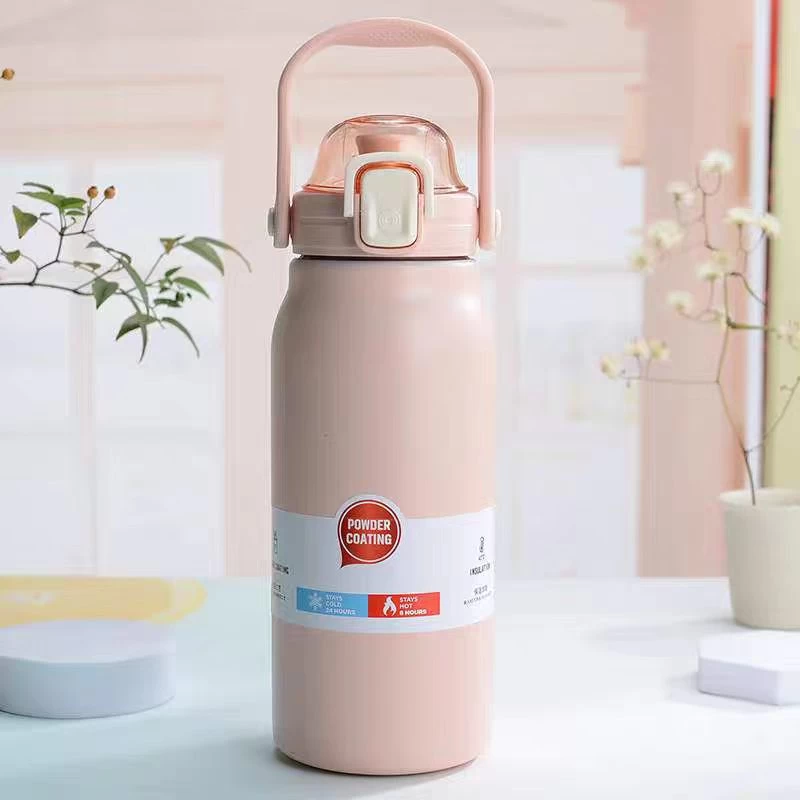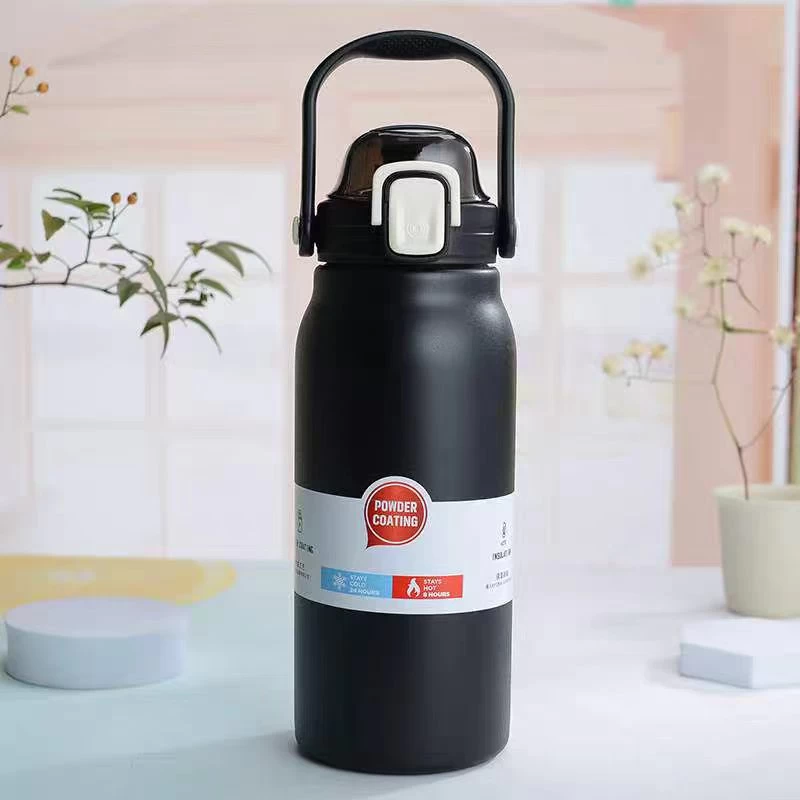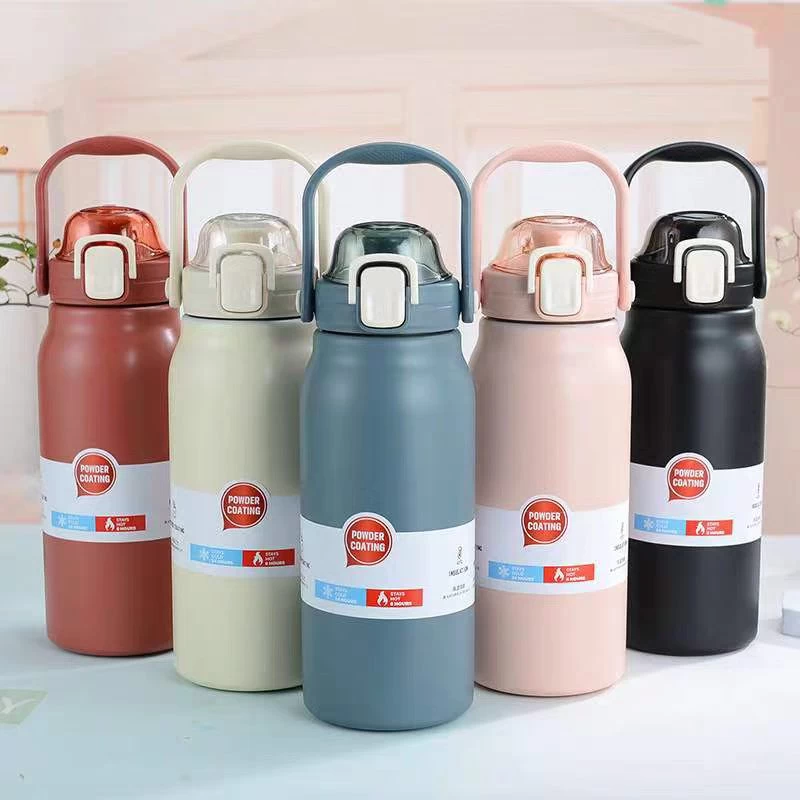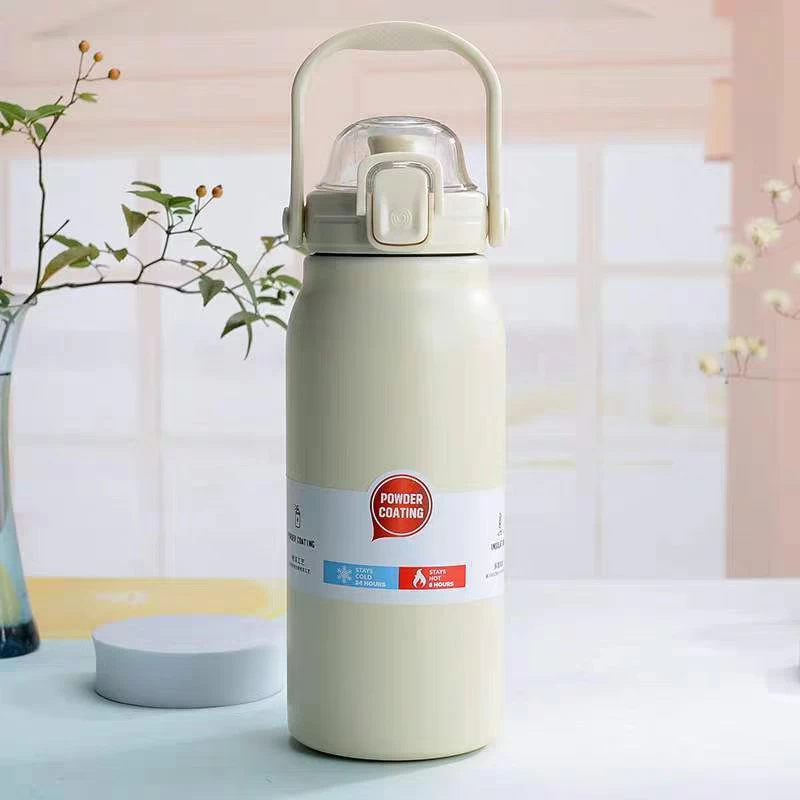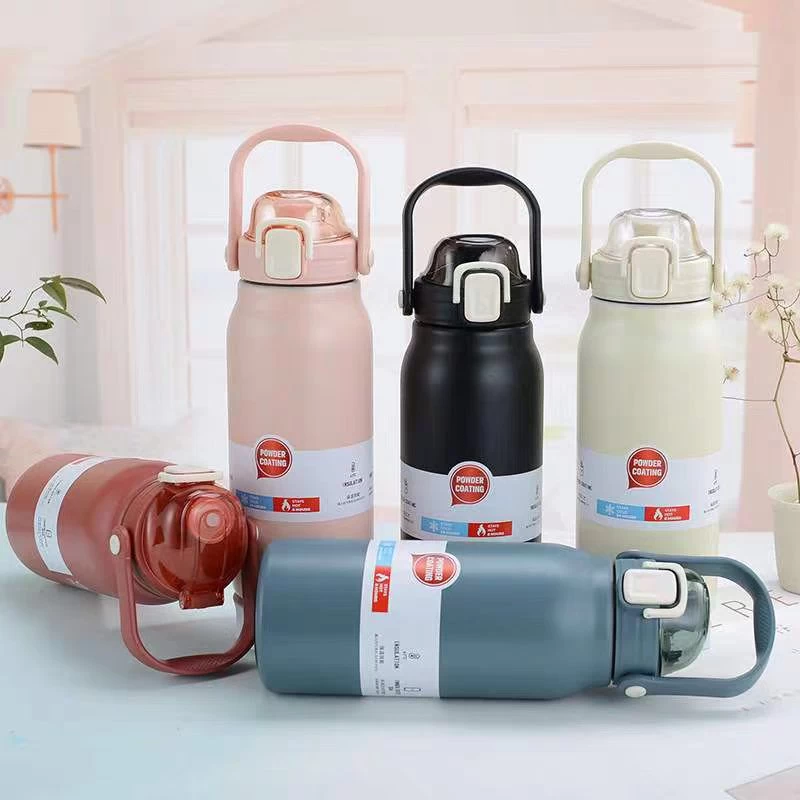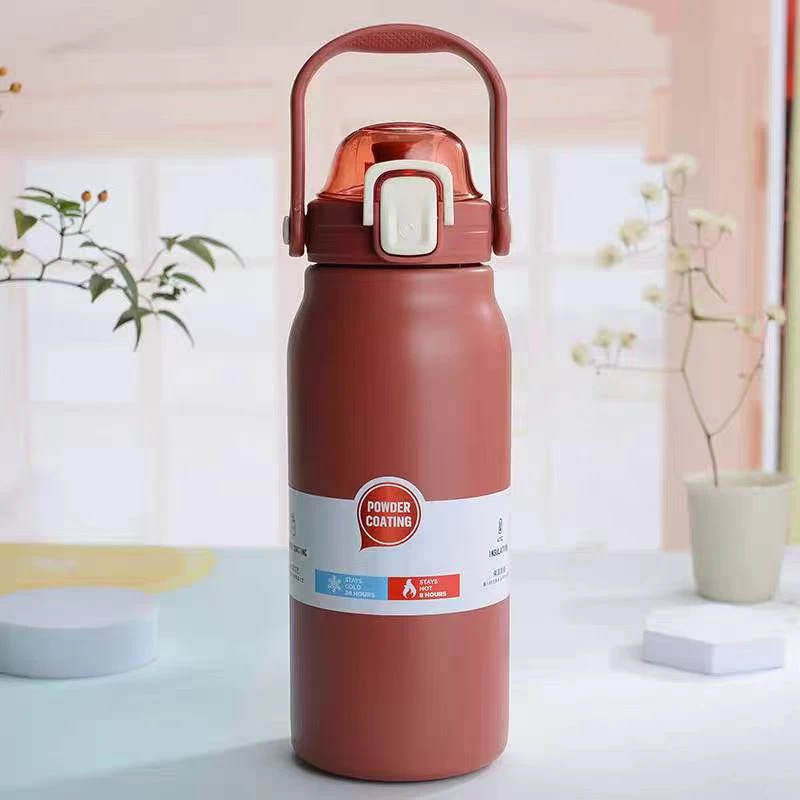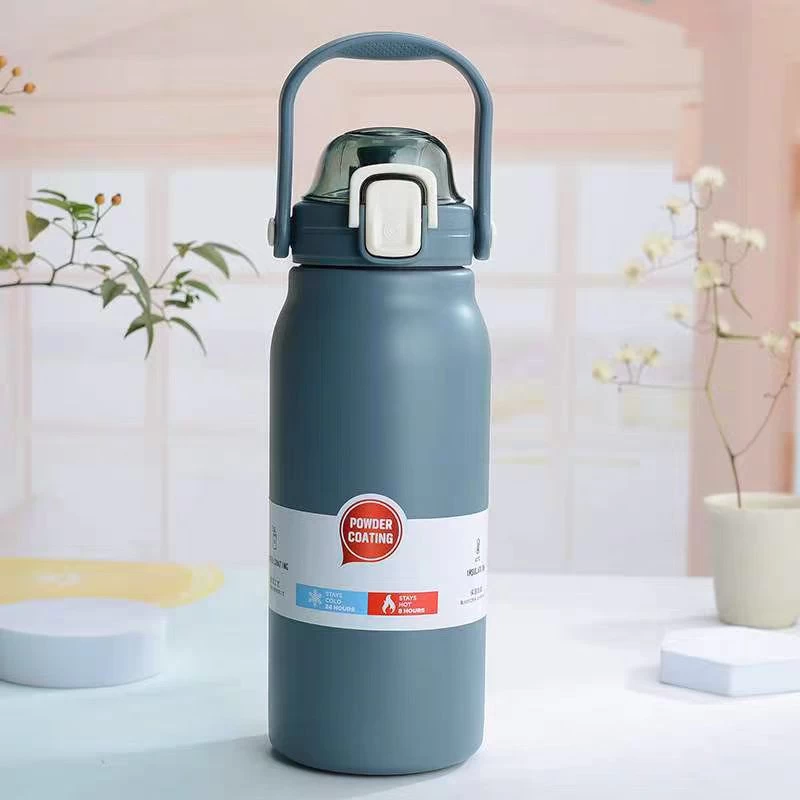
# Unveiling the Design Secrets of Bounce Cup / Big Belly Cup: A Deep Dive into Modern CSS Techniques
In the evolving world of web design, creating visually appealing and user-friendly interfaces is paramount. Brands like **Bounce Cup** and **Big Belly Cup** have leveraged contemporary CSS strategies to build engaging, responsive, and aesthetically pleasing web pages that not only attract visitors but also enhance user experience. This article explores some of the core CSS elements and methodologies used in the design of these brands’ websites, focusing on root variables, color management, hero section styling, tag components, image box layout, features grid, and card components.
By understanding these techniques, web designers and developers can glean insights into building versatile, maintainable, and scalable CSS architectures for their own projects.
---
## 1. Harnessing the Power of Root Variables for Consistent Styling
One of the most effective ways to manage CSS properties globally is through **root variables**, often declared within the `:root` selector. These variables facilitate consistent theming, easier maintenance, and flexible customization across the entire stylesheet.
### Example:
```css
:root {
--c: #ff6f61; /* Primary accent color */
--bg: #ffffff; /* Background color */
--text: #333333; /* Default text color */
--shadow: rgba(0, 0, 0, 0.1);
}
```
By defining colors and other constants here, Bounce Cup and Big Belly Cup ensure that any change in the color palette or spacing system can be quickly propagated throughout the site by modifying just a few values. This technique reduces redundancy and mitigates errors during theme updates.
---
## 2. Dynamic and Engaging Color Usage with CSS Variables
Colors are a fundamental part of any brand’s identity. In these websites, the variables `--c`, `--bg`, and others are used extensively to manage the **color scheme** in a modular way.
For instance, the `.title::after` pseudo-element is often styled using these variables to add subtle yet impactful visual cues:
```css
.title::after {
content: '';
display: block;
width: 50px;
height: 4px;
background-color: var(--c);
margin-top: 8px;
border-radius: 2px;
}
```
This styling adds a sleek underline effect beneath titles, using the primary accent color `--c`, which reinforces brand recognition without overwhelming the page.
---
## 3. Crafting the Hero Section: The First Impression Matters
The **hero section** is critical in capturing users’ attention immediately upon landing on a website. Bounce Cup and Big Belly Cup utilize `.hero` and `.hero-desc` classes to create a compelling introduction area.
### Key aspects include:
- **Background and Color Contrast:** Using `--bg` as the backdrop helps maintain a clean canvas, while accented text colors ensure readability.
- **Typography and Spacing:** Clear hierarchy achieved through font sizes and margins promotes easy scanning.
- **Call-to-Action (CTA) Placement:** Strategically positioned buttons drive user engagement.
Example CSS snippet:
```css
.hero {
background-color: var(--bg);
padding: 80px 20px;
text-align: center;
}
.hero-desc {
font-size: 1.25rem;
color: var(--text);
max-width: 600px;
margin: 20px auto 40px;
}
```
This setup ensures the hero section feels spacious and inviting, setting the tone for the rest of the site.
---
## 4. Tags and Tag Styling: Enhancing Content Categorization
Tags help users quickly identify and filter content categories, product attributes, or blog topics. The `.tags` container and individual `.tag` elements are designed with both function and form in mind.
### Typical characteristics:
- **Visual Distinction:** Tags use subtle backgrounds and border radii for a pill-shaped appearance.
- **Interactive Hover Effects:** Using transitions and color changes to provide feedback.
- **Consistency:** Colors pulled from root variables maintain uniformity.
Example:
```css
.tags {
display: flex;
gap: 10px;
flex-wrap: wrap;
justify-content: center;
}
.tag {
background-color: var(--c);
color: #fff;
padding: 6px 14px;
border-radius: 20px;
font-size: 0.9rem;
cursor: pointer;
transition: background-color 0.3s ease;
}
.tag:hover {
background-color: darken(var(--c), 10%);
}
```
Through this design, tags become both functional filters and attractive UI elements.
---
## 5. Image Box Styling: Balancing Visual Appeal and Responsiveness
Images are central to marketing beverage products like those offered by Bounce Cup and Big Belly Cup. The `.img-box` class encapsulates images, enforcing consistent sizing, spacing, and responsive behavior.
### Important considerations:
- **Aspect Ratio Control:** Maintaining product image proportions to avoid distortion.
- **Borders and Shadows:** Subtle effects to make images stand out against the background.
- **Hover Interactions:** Slight scaling or shadow intensification on mouse-over to engage users.
CSS example:
```css
.img-box {
width: 300px;
height: 300px;
overflow: hidden;
border-radius: 12px;
box-shadow: 0 4px 8px var(--shadow);
margin: auto;
transition: transform 0.3s ease;
}
.img-box img {
width: 100%;
height: 100%;
object-fit: cover;
}
.img-box:hover {
transform: scale(1.05);
}
```
This approach ensures images are presented professionally and responsively across devices.
---
## 6. Features Grid Layout: Organizing Information with Clarity
Highlighting product or service features effectively requires a **grid layout** that is flexible and accessible. The `.features` class typically employs CSS Grid or Flexbox to arrange feature cards in a visually digestible manner.
### Benefits of using Grid/Flexbox:
- **Responsiveness:** Automatically adjusts the number of columns based on screen size.
- **Equal Height Cards:** Uniformity in design appearance.
- **Spacing Control:** Controlled gaps between elements improve readability.
Example CSS:
```css
.features {
display: grid;
grid-template-columns: repeat(auto-fit, minmax(250px, 1fr));
gap: 30px;
padding: 40px 20px;
}
```
Each feature can be a `.card` component, making the structure modular and reusable.
---
## 7. Card Component: Modular and Reusable UI Elements
The `.card` component is a staple in modern web design, often used to encapsulate information such as product details, testimonials, or blog previews.
### Characteristics of the Bounce Cup / Big Belly Cup cards:
- **Shadow and Border Radius:** Creates depth and soft edges.
- **Padding and Margin:** Ensures content isn’t cramped.
- **Consistent Typography and Color Usage:** Maintains brand integrity.
Example:
```css
.card {
background-color: var(--bg);
border-radius: 16px;
box-shadow: 0 8px 20px var(--shadow);
padding: 24px;
transition: box-shadow 0.3s ease;
}
.card:hover {
box-shadow: 0 12px 28px rgba(0, 0, 0, 0.2);
}
```
Cards structured this way are easy to position within grids or flex containers and adapt well to different content types.
---
## Conclusion
The websites for Bounce Cup and Big Belly Cup exemplify how thoughtful CSS architecture and modern design principles come together to create engaging, scalable, and maintainable online presences. By leveraging:
- **Root Variables** for consistent theming,
- **Dynamic Color Management** for branding,
- **Well-Designed Hero Sections** to capture attention,
- **Functional Tag Styling** for navigation and categorization,
- **Responsive Image Boxes** for showcasing products,
- **Flexible Features Grid Layouts**, and
- **Modular Card Components**,
these brands set a high standard for beverage-related web design.
For web designers and developers, adopting these techniques can lead to cleaner codebases, improved user experiences, and a more professional aesthetic that aligns with modern expectations. As CSS continues to evolve with new features like custom properties, grid layouts, and advanced selectors, staying abreast of these trends will ensure your designs remain fresh, accessible, and effective.
---
### About the Author
[Your Name] is a professional web designer and front-end developer specializing in CSS architecture and responsive design. With over a decade of experience crafting user-centric websites, [Your Name] enjoys sharing insights on best practices and emerging technologies in the web development community.